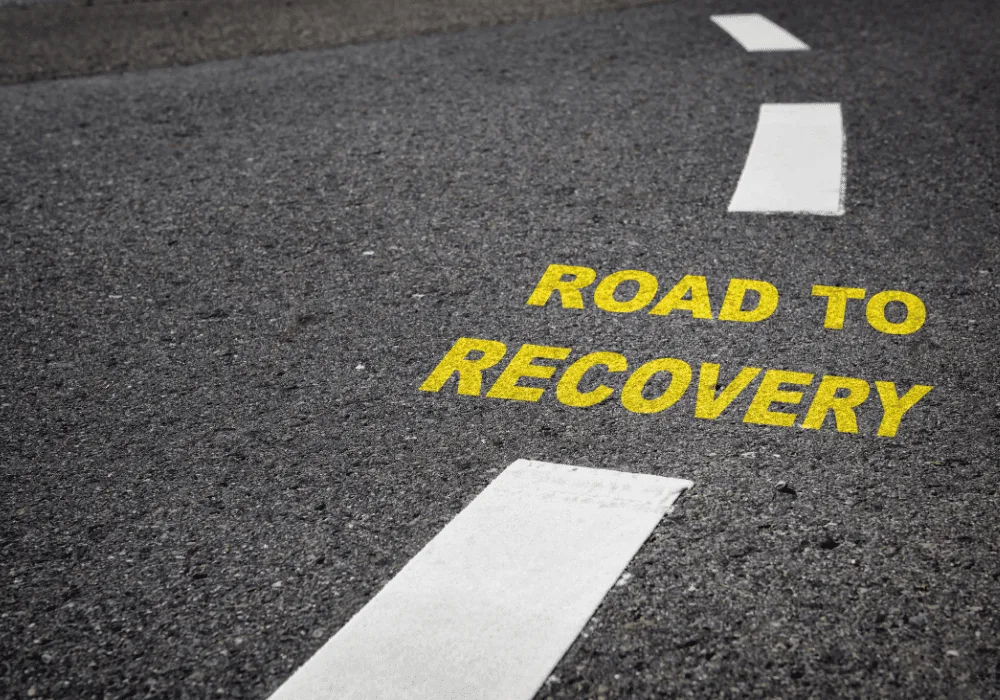
Learning boundaries is rarely tidy. It doesn’t begin with perfect clarity or graceful self-assertion—it usually starts with pain.
For many who’ve lived through an eating disorder, the early stages of boundary work can feel eerily familiar. You start with the same endurance of discomfort that the illness once trained into you. You’ve learned to sit in pain far longer than is safe, to absorb hurt without flinching outwardly. You tolerate what others might walk away from immediately, because you’ve learned to live with the ache as a constant background noise.
But over time, that tolerance changes. It turns into holding it in until you blow.
The Challenge of Unclear Boundaries in Recovery

You say yes when you mean no. You let things slide until resentment is the only voice loud enough to be heard. Your boundaries don’t appear in the moment; they explode in the aftermath.
This pattern is common for people learning to set boundaries after an eating disorder. The same survival skills that helped you cope during illness can make healthy limit-setting feel impossible during recovery.
Moving Through the Messy Middle of Boundary Setting
This is often the messy middle of learning limits: the pendulum swing between silence and eruption. It’s not a failure, it’s a stage.
Many people experience this phase when developing healthy boundaries:
- Staying quiet until anger becomes overwhelming
- Feeling guilty for having needs or preferences
- Swinging between being too accommodating and too rigid
- Struggling to identify what feels comfortable or uncomfortable
How to Recognize Your Boundaries Before They Break

With practice, you start to recognize discomfort earlier, before it builds into a breaking point. The sharpness of hurt begins to register in real time, instead of hours or days later. And slowly, you learn to respond in smaller, steadier ways.
Here’s what this process often looks like:
- Noticing physical sensations when something doesn’t feel right
- Paying attention to emotional reactions without judgment
- Practicing small “no’s” in low-stakes situations
- Learning that boundaries can be flexible, not walls
Building Strong Boundaries That Feel Natural
Eventually, it stops being about surviving damage control and starts being about preventing damage in the first place. Not because you’ve become hard or brittle, but because you’ve become clear.
Healthy boundaries in recovery mean:
- Knowing your limits without shame
- Communicating needs calmly and directly
- Protecting your energy and well-being
- Maintaining relationships while honoring yourself
And clarity is what allows you to stand in your life without needing to disappear from it.
Taking the Next Step in Your Boundary Journey

Learning to set boundaries after an eating disorder takes time and patience with yourself. Each small step toward clarity matters. Remember that developing healthy limits is part of building a life that feels genuinely yours, not one you’re merely surviving in.
If it feels overwhelming, you don’t have to figure it out alone. Discover our comprehensive recovery services, specifically designed for boundary work.